
There’s a specific moment every traveler recognizes — standing in a crowded plaza, camera out, surrounded by fifty other people taking the exact same photo, wondering if this is really what “seeing” a place is supposed to feel like. These exploration tips traplesexplore style exist precisely for that moment, offering a genuinely different approach built around curiosity and local immersion rather than checklist tourism.
What Sets This Approach Apart From Typical Travel Advice
Most travel content optimizes for efficiency: hit the famous sites, get the photos, move on. These exploration tips traplesexplore philosophy takes a different starting point entirely — treating a destination as something to be genuinely understood, not just visited. The difference sounds subtle, but it changes almost every practical decision a traveler makes, from where they eat to how they get around to which neighborhoods they actually spend time in.
This distinction matters because efficiency-focused travel tends to produce a strangely uniform experience regardless of destination — the same major landmarks, the same recommended restaurants, the same crowded viewpoints. Applying exploration tips trapleexplore principles instead means deliberately seeking out what makes a specific place distinct, even when that requires more effort than following a standard itinerary.
Start by Getting Comfortably Lost
One of the more counterintuitive pieces of guidance within this framework is the deliberate practice of getting lost, at least occasionally and safely. Rather than following turn-by-turn navigation everywhere, allocating even a single unstructured hour to simply wander a neighborhood without a specific destination tends to reveal far more about a place’s actual character than any planned itinerary stop.
- Choose a neighborhood with reasonable safety and set a general time limit rather than a specific destination
- Keep your phone accessible but resist the urge to navigate constantly
- Notice small details — how locals dress, what shops are busiest, what smells and sounds define the area
- Use this wandering time specifically in daylight hours, especially in unfamiliar areas
This deliberate disorientation is a genuinely core piece of exploration tips traplesexplore methodology, since some of the most memorable travel moments come from unplanned discoveries that no guidebook or itinerary could have anticipated in advance. exploring german cuisine traplesexplore
Talk to Locals Before You Talk to Google
Search engines and travel apps are useful, but they consistently surface the same handful of highly-reviewed, heavily-trafficked recommendations. Actual conversations with locals — a shop owner, a barista, someone waiting at a bus stop — tend to surface genuinely different suggestions that don’t show up in algorithmically-ranked results.
- Ask specific questions rather than broad ones – “Where do you personally go for lunch on a weekday?” produces better answers than “What should I see here?”
- Approach service workers during slower hours – Early morning or mid-afternoon lulls tend to produce more relaxed, genuine conversation
- Follow up on specific mentions – If someone casually references a place, ask a clarifying question rather than letting the comment pass
- Show genuine interest, not just information extraction – People respond more openly to curiosity than to transactional questioning
This human-first research method is central to exploration tips traplesexplore guidance specifically because algorithmic recommendations, however well-intentioned, tend to homogenize travel experiences across an entire destination’s visitor population, while genuine local input consistently produces more varied, personal discoveries.
Choosing Neighborhoods Over Landmarks
A subtle but significant shift in mindset involves organizing your time around neighborhoods rather than individual landmarks. Landmark-focused travel tends to produce a scattered, transit-heavy itinerary bouncing between famous sites, while neighborhood-focused exploration allows for a slower, more textured understanding of how people actually live in a specific area.
| Landmark-Focused Approach | Neighborhood-Focused Approach |
|---|---|
| Bounces between famous sites citywide | Concentrates time in one area |
| Heavy reliance on transit between stops | Primarily walkable within a chosen area |
| Optimized for photo opportunities | Optimized for genuine atmosphere and context |
| Often crowded, tourist-heavy | More likely to reveal local daily life |
This reframing is a practical, structural piece of exploration tips traplesexplore thinking, since spending a full afternoon genuinely absorbing one neighborhood’s rhythm often produces a more meaningful sense of place than checking off five separate landmarks across an entire city in the same amount of time.
Timing Your Exploration Strategically

When you explore matters just as much as where. Popular sites transform dramatically depending on time of day, and building your schedule around these patterns significantly changes the quality of the experience.
- Visit major attractions at opening time or shortly before closing, when crowds thin considerably
- Explore markets and food areas during actual local shopping hours, not tourist-peak midday
- Save purely scenic wandering for golden hour, when light and atmosphere are both at their best
- Reserve midday heat or crowd peaks for indoor activities like museums or quieter cafes
Applying this kind of strategic timing consistently is a practical, high-impact piece of exploration tips traplesexplore guidance, since the exact same physical location can feel completely different depending purely on when you choose to experience it.
Embracing Imperfect, Unplanned Detours
Rigid itineraries leave little room for the kind of spontaneous discovery that often produces the most memorable travel moments. Building in deliberate flexibility — an afternoon with no fixed plan, a willingness to follow an interesting side street — creates space for genuine serendipity that a fully scheduled day simply can’t accommodate.
- Leave at least one unstructured block of time per day, even during a short trip
- Follow genuine curiosity when something catches your attention, even if it deviates from your planned route
- Treat “getting it wrong” (a disappointing restaurant, a closed attraction) as part of the authentic experience, not a failure
- Resist the pressure to document everything; some moments are better experienced than photographed
This tolerance for imperfection and spontaneity is a recurring theme throughout exploration tips traplesexplore philosophy, since an overly rigid pursuit of a “perfect” trip often crowds out exactly the kind of unplanned moments travelers remember most vividly afterward.
Practical Safety Considerations While Exploring Independently
None of this deliberate wandering and spontaneity should come at the expense of basic safety awareness, particularly when exploring unfamiliar areas alone.
- Share your general location or plans with someone else, even informally, before heading into unfamiliar areas
- Research neighborhood safety in advance, distinguishing genuinely risky areas from simply unfamiliar ones
- Keep a charged phone and a general sense of your route back, even while intentionally wandering
- Trust your instincts — if an area or situation feels wrong, it’s reasonable to leave without needing further justification
Balancing genuine spontaneity with basic safety awareness is an essential, non-negotiable part of exploration tips traplesexplore guidance, since the goal is meaningful discovery, not unnecessary risk-taking that undermines the broader travel experience.
Learning a Few Local Phrases Before You Arrive
Language ability, even at a very basic level, meaningfully changes how locals respond to travelers. A handful of genuine effort phrases — hello, thank you, excuse me, how much does this cost — signal respect and often open doors that pure English reliance simply doesn’t.
- Learn basic greetings and polite phrases before arrival, not as an afterthought
- Practice pronunciation using audio resources, since mispronounced but attempted phrases are still generally well received
- Use a translation app as backup, not a replacement for genuine attempted communication
- Pay attention to nonverbal cues and gestures, which often communicate as much as words
This small investment in language effort is a consistently emphasized piece of exploration tips traplesexplore guidance, since even minimal linguistic effort tends to shift how openly locals engage with visitors, often leading directly to the kind of genuine recommendations and interactions that pure tourist infrastructure rarely provides.
Documenting Without Over-Documenting
Photography and social media have become such a default part of travel that many people experience destinations primarily through a screen rather than directly. Finding a healthier balance — capturing meaningful moments without constant documentation — tends to produce a richer, more present travel experience.
- Set specific “phone-down” periods during meaningful moments, rather than documenting everything continuously
- Choose a few genuinely meaningful photos over dozens of near-identical shots
- Write brief journal notes as an alternative to purely visual documentation
- Ask whether you’re experiencing a moment or performing it for later viewing
This intentional approach to documentation is a subtler but genuinely important piece of exploration tips traplesexplore thinking, since the pursuit of the “perfect shot” frequently pulls travelers out of the very experience they’re trying to capture in the first place.
Building Genuine Connections Along the Way
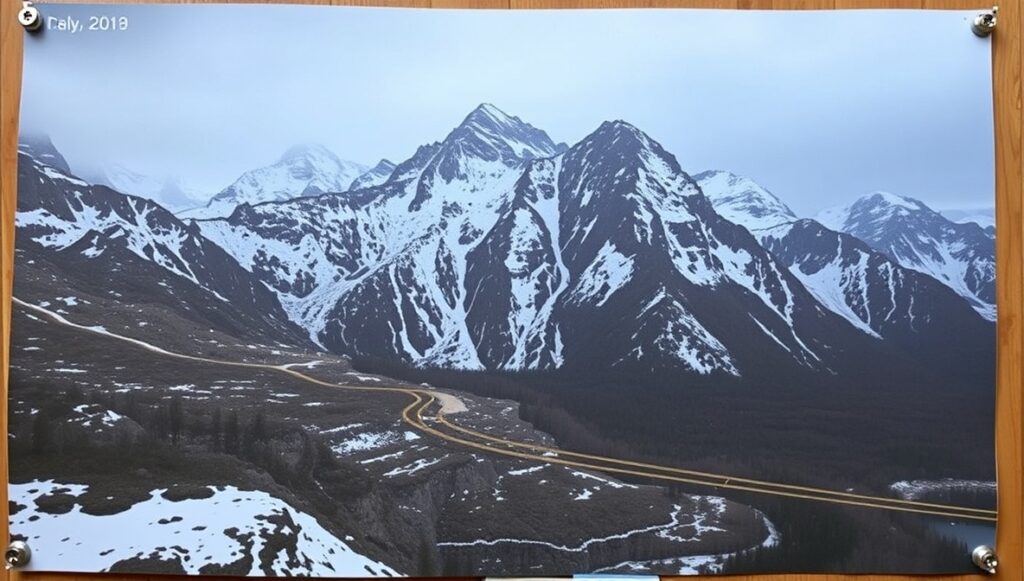
Some of the most valuable travel experiences come not from places at all, but from people encountered along the way — fellow travelers, hosts, or locals willing to share a conversation. Actively creating space for these interactions, rather than treating travel as a purely solitary or transactional activity, tends to produce lasting memories well beyond any single attraction.
- Stay in accommodations that encourage genuine interaction, like locally-run guesthouses over anonymous chain hotels
- Accept genuine invitations when they feel safe and appropriate, rather than defaulting to caution reflexively
- Share your own story and background when locals show genuine curiosity, creating reciprocal rather than purely extractive exchanges
- Follow up with meaningful connections after your trip, when appropriate, rather than treating every interaction as disposable
This emphasis on genuine human connection runs consistently through exploration tips traplesexplore guidance, reflecting a broader philosophy that travel’s deepest value often comes from people rather than places alone, however beautiful those places might be.
Bringing It All Together
None of these individual practices — wandering deliberately, prioritizing local conversation, timing your exploration strategically, embracing spontaneity within safety limits — matter much in isolation. Their real value comes from being combined consistently throughout a trip, gradually shifting the overall travel experience from passive sightseeing toward genuine, active discovery.
Final Thoughts
Genuine exploration requires a different mindset than efficient sightseeing — more patience, more willingness to embrace uncertainty, and more genuine curiosity about how people actually live in the places you’re visiting. These exploration tips traplesexplore approach rewards travelers willing to slow down, wander deliberately, and prioritize real human connection over checklist completion, ultimately producing richer, more memorable travel experiences than any rigidly planned itinerary ever could.
Frequently Asked Questions
Is deliberately getting lost actually a good idea while traveling?
Yes, within reasonable safety limits. Allocating unstructured wandering time in a reasonably safe area often reveals far more about a destination’s genuine character than following a fixed itinerary.
How do I find good local recommendations beyond what search engines suggest?
Direct conversations with locals — shop owners, service staff, people encountered casually — tend to surface more varied, personal suggestions than algorithmically-ranked online recommendations.
Is learning the local language really necessary for a short trip?
Not full fluency, but even basic greeting and politeness phrases meaningfully change how openly locals engage with visitors, often leading to better recommendations and interactions.
How can I balance spontaneous exploration with basic safety?
Research neighborhood safety in advance, share your general plans with someone else, keep a charged phone, and trust your instincts if a situation feels wrong, regardless of how minor the concern seems.
Does documenting a trip through photos take away from the actual experience?
It can, if done excessively. Setting deliberate phone-down periods during meaningful moments tends to produce a richer, more present experience than constant documentation.
